

Up until mid-May, we estimate that scoop ice cream consumption was around 20% lower than during the same period last year. This was followed by what we might refer to as a “great ice cream summer”; however, sales of scoop ice cream have not been as strong as expected. We put this down to the continued strain on consumer spending caused by the higher-than-expected cost of living.
We expect retail sales of home freezers and wrapped impulse products to have performed much better, as the reliable good weather encouraged garden socialising. The football World Cup always leads to increased purchases of beer and other drinks for watch parties and pub visits, as well as crisps, dips and other sharing snacks for groups at home. When the weather and fixture schedule align, purchases of barbecue food and wrapped or packaged ice cream also increase.
Year-on-year UK staycation bookings have surged by 18% for summer 2026, according to data from leading holiday rental platforms. This favours some areas of the country more than others, with the South-West benefiting particularly. This trend has been building over the past few years, supported by the significant rise in the cost of overseas travel: flight prices are up 15% year on year, and package holiday costs are up by 12%.
Forecasts from the World Meteorological Organisation’s Global Producing Centres indicate an “exceptionally high likelihood of nearly 100%” that El Niño will persist through to February 2027. Will we see another hot year in 2027, as we did in 1975-76?
As our thoughts turn to next season, business managers have a sense of current financial performance. Staffing costs are a key concern, representing the largest year-on-year increase, and they are not slowing down. We keep hearing that AI will reduce staffing costs, so what will everybody do in the future if there are fewer jobs, and who will support those not contributing to the economy? These are all big questions and are beyond our direct control.
As with the cost of fuel, some costs are the same for everyone and therefore have less impact on our ability to compete locally. Those who can better deliver what consumers want will be better placed to flourish. By looking ahead at demand and cost expectations for 2027, we can make plans for the new year. Antonelli covers two main product areas: Cones and Wafers, alongside Ingredients. News on Cones and Wafers will be announced in the new year, and it is all good news. Contact your Sales Manager for more information.
Ingredients are more complicated, as there are many different raw materials. As always, we will have prices available by the ICA exhibition at the NEC on 9 and 10 February. Road fuel costs, at approximately 25% more than in 2025, are putting upward pressure on the cost of all materials.
Fruit – Here are some extracts from online publications:
Likely to increase, or already increased:
- Strawberry (northern Europe) – already increased in late June
- Raspberry (northern Europe) – already increased because of the heat
- Blackcurrant – harvest expected to be around 10% down
- Lemon – prices already up after last season’s shorter crop in Spain and Turkey
- Pineapple (Thailand) – already up in July; winter crop expected down by as much as 50%
- Mango (India) – prices already up after the Alphonso crop fell by 40 to 50%
- Mango (Ecuador) – around half last year’s volume
- Mango (Mexico) – around 13% lower on the season
Easing, or not tightening:
- Raspberry, blueberry and blackberry (UK) – bumper crop, with overall berry volumes 6% up
- Blueberry in some European wholesale markets – prices eased where heat shortened shelf life
- Mango (Brazil) – around 27% more fruit; global crop slightly up
Sugar – World prices continue to remain low because of a surplus. However, in Europe, the harvest has been affected by dry growing conditions, which are likely to increase prices slightly on top of the fuel premium – perhaps by around 4% in total.
Milling Wheat – Low UK yields, but good quality. Increased shipping costs mean that prices are expected to rise slightly.
Milk – 2026 saw a 20% reduction in average GB farmgate milk prices, which looks positive for ice cream makers. However, with forage crop yields being low because of the dry summer, farmers will need prices to return at least to 2025 levels.
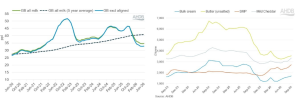
Cream wholesale prices have been 30% lower than in 2025, but they are likely to increase into 2027.
In summary, we expect a few significant increases in the cost of tropical and some soft fruits, with all products having to increase slightly to cover the higher costs of shipping, energy and related expenses.
New product development – As well as maintaining the standard of quality expected by customers, we also need to respond to market changes. Take a look at our social media channels for trends and product ideas: Stay connected with us and discover Autumn and Winter 2026 flavours in our most recent article: Planning Your Autumn & Winter 2026 Flavours – Antonelli – Finest Gelato and Ice Cream Products
As you plan for the season ahead, it may be worth reviewing the size of your cones and tubs. Slightly smaller sizes could help reduce over-portioning while still offering customers a great-value experience. While this approach may not suit every business, it could be one helpful part of building a more sustainable ice cream business.
Mark Antonelli
On behalf of Mark and David Antonelli.